Why is SPF so Important?
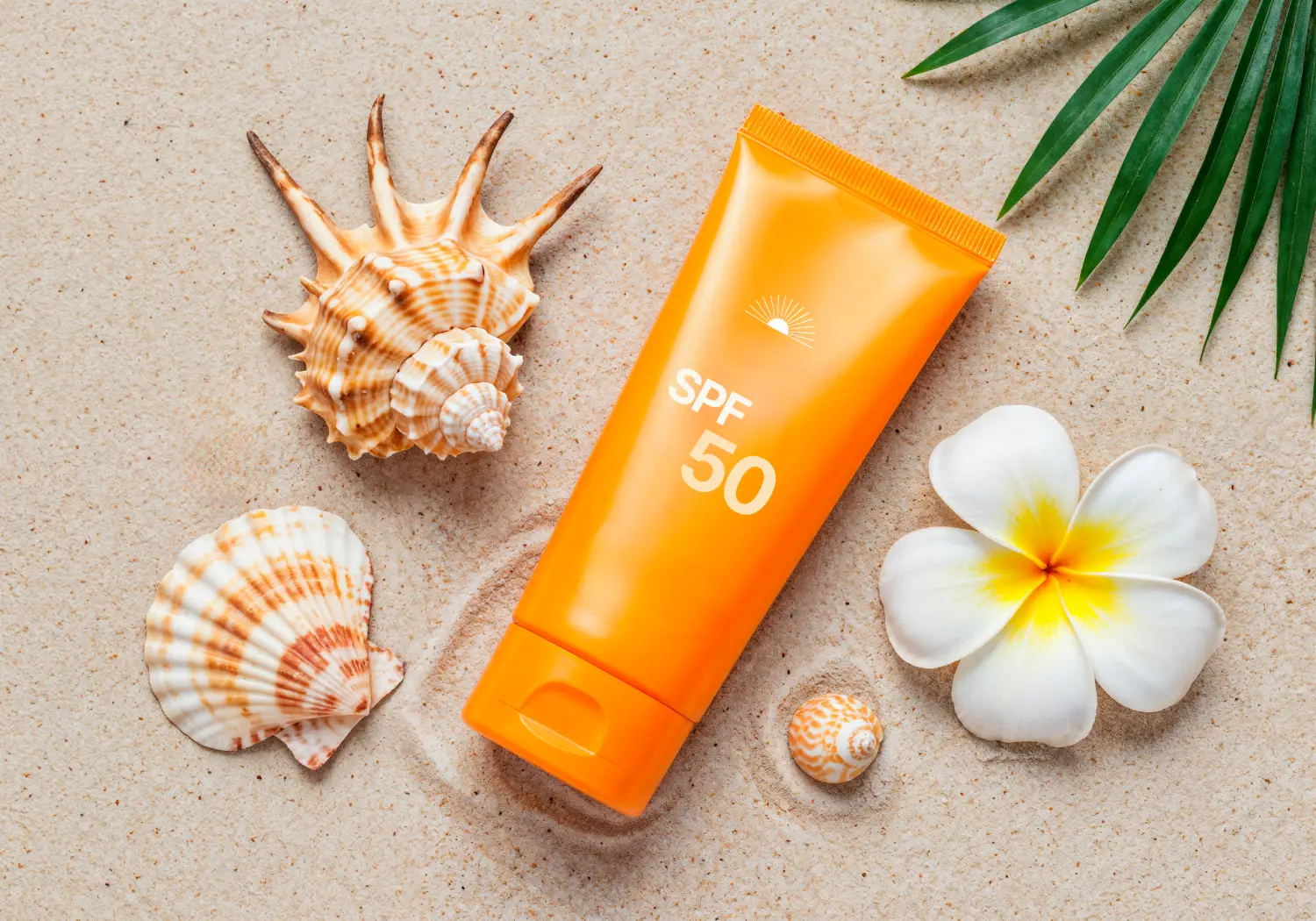
UV radiation causes up to 80% of visible skin aging. SPF (Sun Protection Factor) protects against UVB rays that cause sunburn, while PA or "broad spectrum" indicates protection against UVA rays responsible for aging. Our editorial team has tested dozens of sunscreens to recommend the best for everyday use.
How much SPF do you need?
Quick selection guide:
Daily indoor wear: SPF 30
Outdoor activities: SPF 50
Fair skin: SPF 50+
Darker skin: SPF 30+
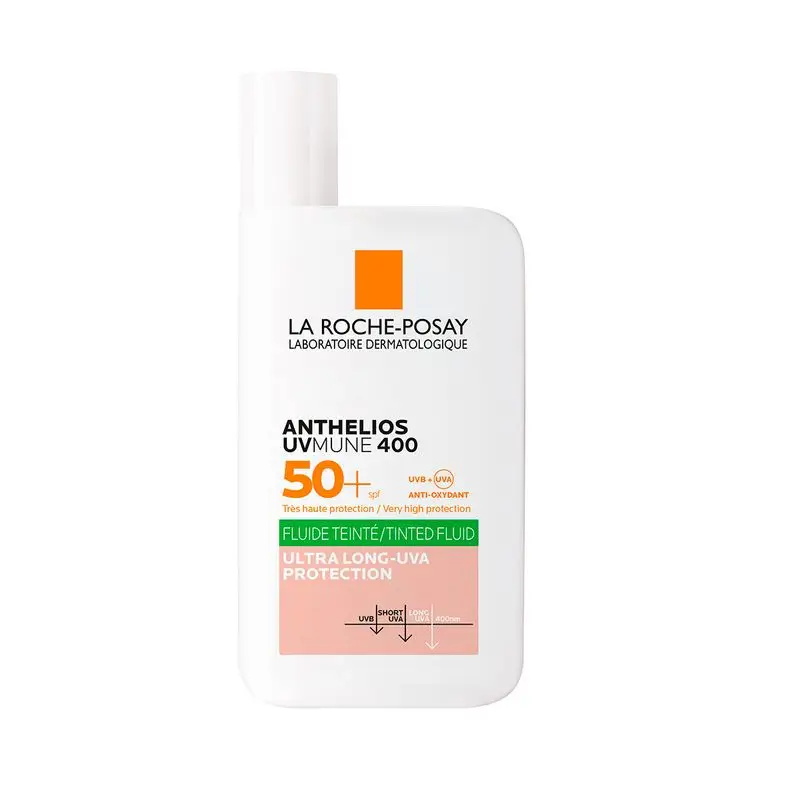
Anthelios Invisible Fluid SPF 50+
Invisible Fluid SPF 50+Our absolute favorite for everyday use. Ultra-light texture, no white cast, and patented Mexoryl XL filter for maximum photostable protection. Perfect under makeup and for oily skin.
Best SPF Products 2024
View All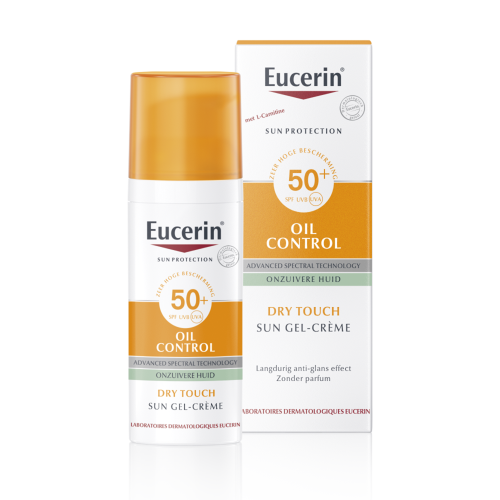
Oil Control SPF 50+
For oily skinUltimate champion for oily and acne-prone skin. All-day shine control, works as primer.
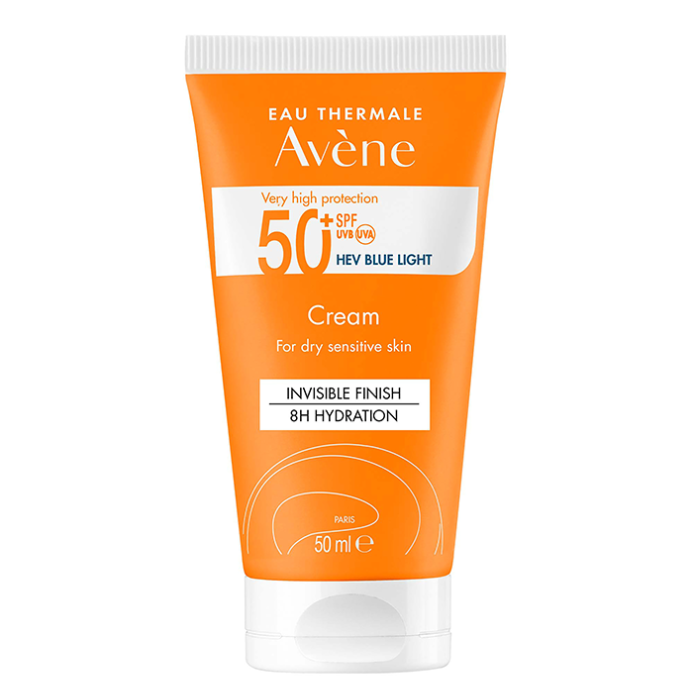
Very High Protection Fluid SPF 50+
For sensitive skinGentle protection with 71% thermal water for reactive and allergy-prone skin.
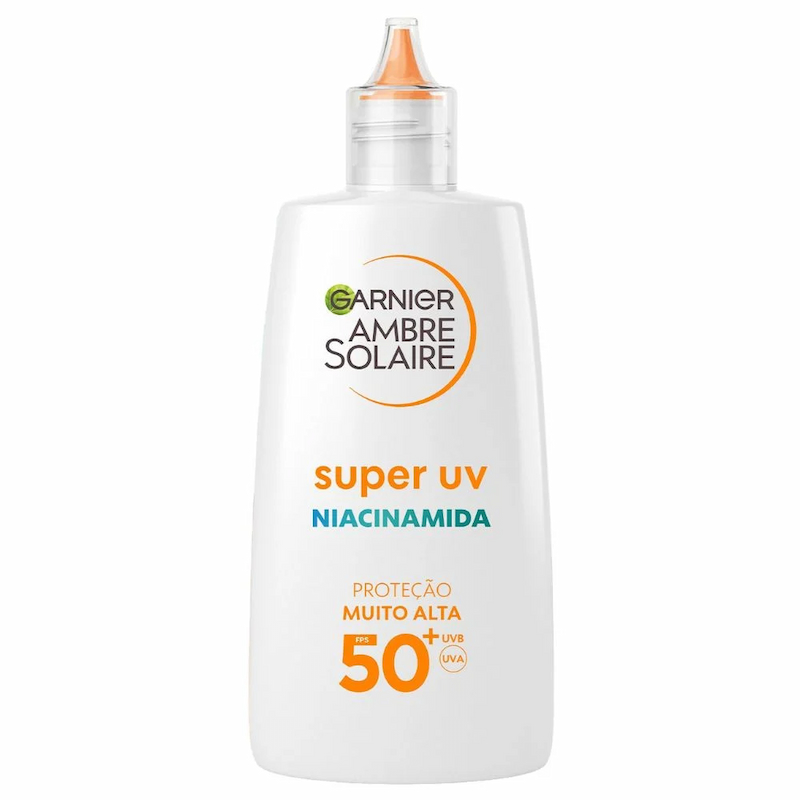
Ambre Solaire Super UV Fluid
Best valueUltra-light fluid with high protection at drugstore price. Quick absorption.
Sunscreen is the only anti-aging product with truly scientifically proven effects. Use it every day, no exceptions.
Dr. Shereene Idriss, DermatologistTypes of Sun Filters
There are two main types of filters - chemical and mineral. Each has its advantages.
Signs: Absorb UV radiation and convert it to heat. Light texture, invisible on skin.
Care: Avobenzone, Oxybenzone, Octinoxate. Apply 20 min before sun exposure.
Signs: Reflect UV radiation. Suitable for sensitive skin and children. May leave white cast.
Care: Zinc Oxide, Titanium Dioxide. Work immediately after application.
Signs: Combination of both types. Offers benefits of both - lightness and gentleness.
Care: Ideal for most skin types. Modern cosmetic formulas.
SPF by Skin Type
View All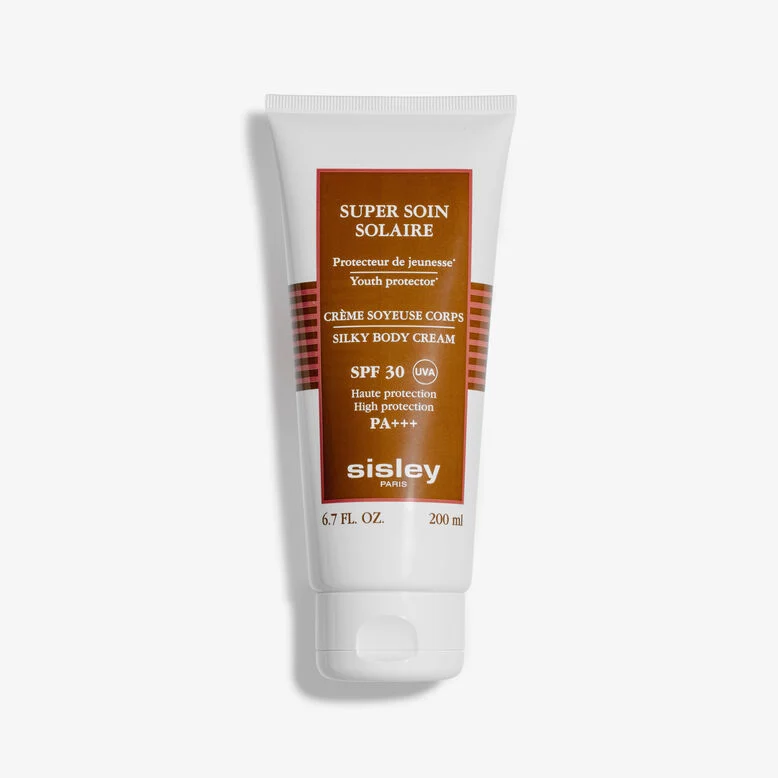
Super Soin Solaire SPF 50+
For demanding skinLuxury SPF with anti-aging ingredients. Silky texture that nourishes and protects.
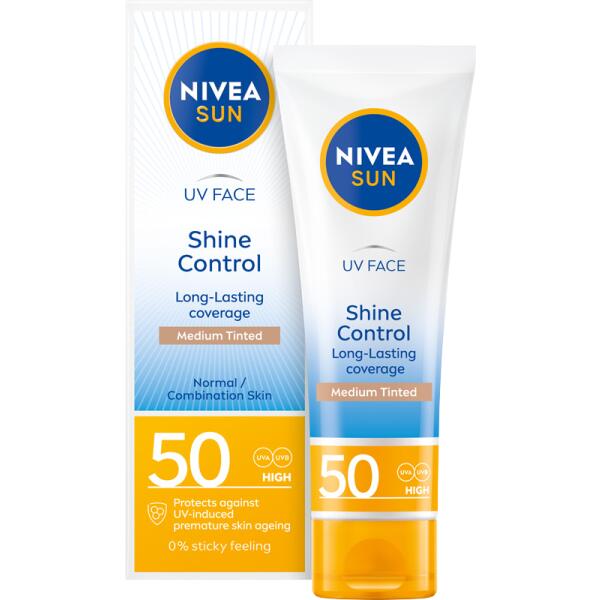
Sun UV Face SPF 50
For everyday useReliable basic SPF for everyday use. Easily available at any drugstore.
How to Choose the Right SPF
Selection depends on your skin type, activities, and texture preferences. SPF 30 blocks 97% of UVB rays, SPF 50 blocks 98%.
✓ For Oily Skin
Choose light, mattifying formulas or powder SPF. Look for "oil-free" or "non-comedogenic" labels.
ℹ For Dry Skin
Creamy textures with hydrating ingredients like hyaluronic acid or ceramides.
⚠ For Sensitive Skin
Mineral filters without fragrance. Avoid oxybenzone and octinoxate.
Proper SPF Application
Even the best SPF doesn't work if you don't apply it correctly:
Amount: 2 fingers
For your face, you need an amount equal to two fingers (about 1/4 teaspoon).
Apply as last step
SPF goes on skin after all other skincare products, before makeup.
Don't forget neck and ears
These areas are often overlooked but equally susceptible to damage.
Reapply every 2 hours
When outdoors, reapply regularly. After swimming or sweating, immediately.
Use year-round
UV rays penetrate clouds and windows. SPF is necessary 365 days a year.
Frequently Asked Questions
No. You don't apply makeup with SPF in sufficient quantity. Use separate SPF under makeup.
Yes, if you sit by a window. UVA rays penetrate glass and cause skin aging.
Partially yes, but even with SPF 50 you get enough vitamin D. Skin health takes priority.
Check the expiration date. Opened SPF usually lasts 12 months. After expiration, it loses effectiveness.
Chemical filters are lighter and invisible but may irritate sensitive skin. Mineral ones are gentler but may leave white cast.
Find Your Ideal SPF
Browse our reviews of the best SPF products and find the right one for your skin type.