Why Is It Important to Know Your Skin Type?
Each skin type has specific needs. Using wrong products can cause irritation, dryness, or excessive oiliness. Proper diagnosis is the first step to healthy, glowing skin.
Quick Bare-Face Test
The simplest way to determine your skin type:
Wash your face with a gentle cleanser
Don't apply any products
Wait 30-60 minutes
Observe how your skin behaves
Basic Skin Types
There are five basic skin types. Most people have a combination of multiple types in different areas of their face.
Signs: Balanced, neither oily nor dry. Small pores, smooth texture, rarely problematic.
Care: Maintenance routine, prevention. You can experiment with different products.
Signs: Shiny, especially in T-zone. Enlarged pores, prone to acne and blackheads.
Care: Lightweight, oil-free products. Gel textures, niacinamide, salicylic acid.
Signs: Tight, flaky, dull. Visible fine lines, may feel itchy.
Care: Rich creams, oils, ceramides. Hyaluronic acid, avoid drying ingredients.
Signs: Oily T-zone (forehead, nose, chin), dry or normal cheeks.
Care: Multi-masking, different products for different zones. Balancing products.
Signs: Redness, burning, itching. Reacts to many ingredients, often rosacea.
Care: Hypoallergenic, fragrance-free. Soothing ingredients (aloe, chamomile, centella).
How to Determine Your Skin Type
Follow these steps for accurate diagnosis:
Thoroughly cleanse your skin
Use a gentle cleanser and lukewarm water. Remove all makeup and impurities.
Let your skin rest
Don't apply any products. Wait 30-60 minutes for skin to return to its natural state.
Observe the T-zone
Check forehead, nose, and chin. Are they shiny? Oily to touch? Or rather tight?
Check your cheeks
How do your cheeks feel? Dry, normal, or oily? Compare with T-zone.
Evaluate results
Based on observations, determine which skin type best matches your condition.
Skin Type vs. Skin Condition
Skin type is genetic and relatively constant. Skin condition can change with seasons, stress, hormones, and lifestyle.
ℹ Example
Even oily skin can be dehydrated (lacking water, not oil). That's why it's important to distinguish between type and current condition.
✓ Tip
Determine your skin type once, but monitor skin condition regularly and adjust care according to current needs.
Recommended Products by Skin Type
View All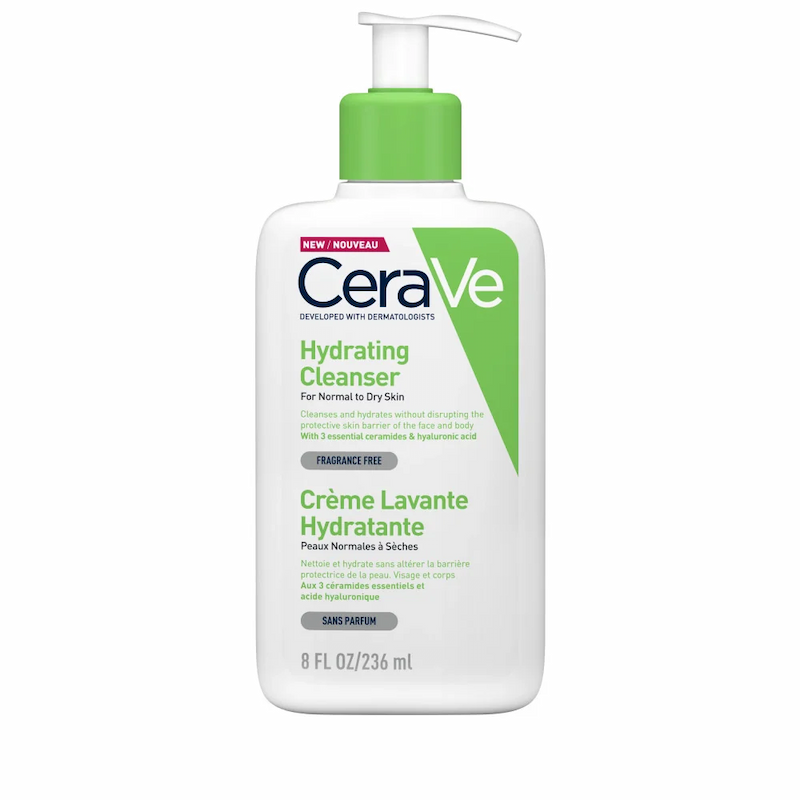
Hydrating Cleanser
For dry skinGentle cleansing with ceramides and hyaluronic acid. Doesn't disrupt moisture barrier.
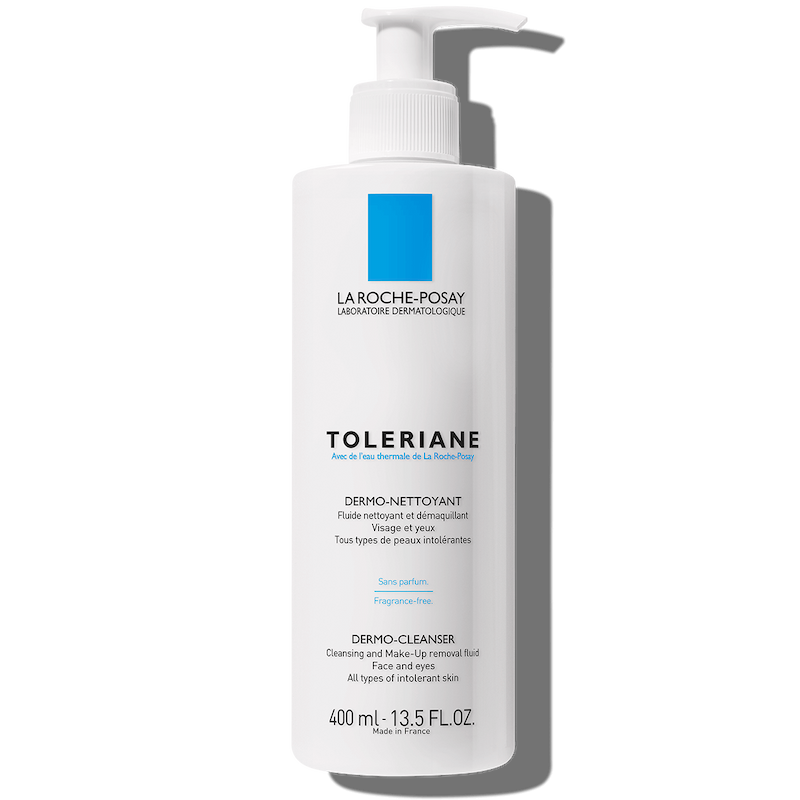
Toleriane Dermo-Cleanser
For sensitive skinExtra gentle cleansing for reactive and allergy-prone skin.
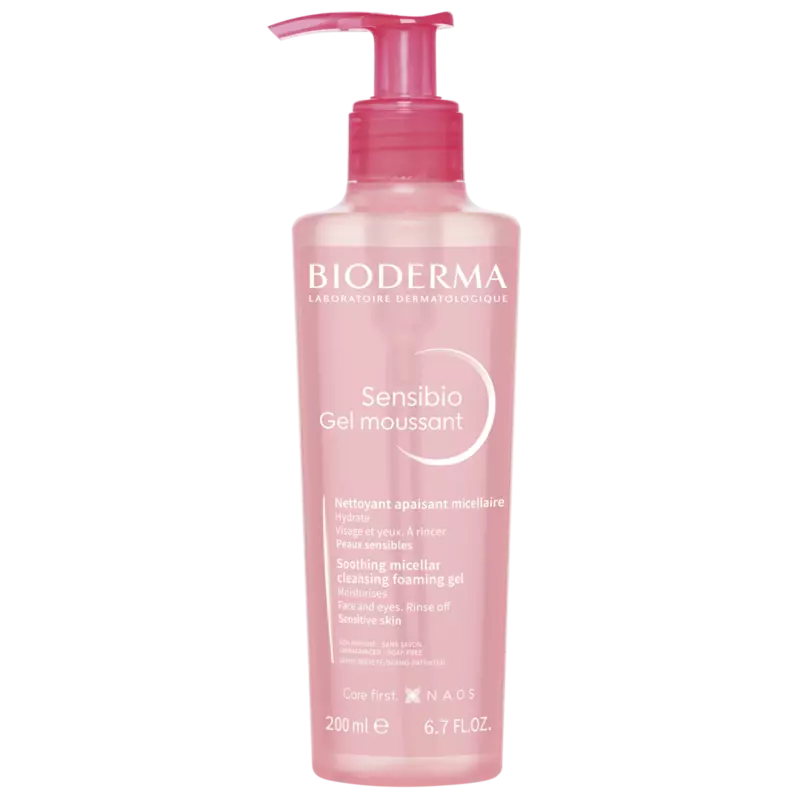
Sensibio Gel Moussant
For combination skinFoaming gel for gentle cleansing without drying. Suitable for sensitive skin too.
Frequently Asked Questions
Skin type is largely genetic, but can change with age, hormonal changes, or environmental factors. With age, skin usually becomes drier.
Use different products for different zones. Lighter, mattifying products on T-zone, more hydrating on cheeks. Multi-masking technique is ideal.
Repeat the test when seasons change or if you notice significant changes in skin behavior. At least twice a year.
Start Building Your Routine
Now that you know your skin type, build your ideal skincare routine.